
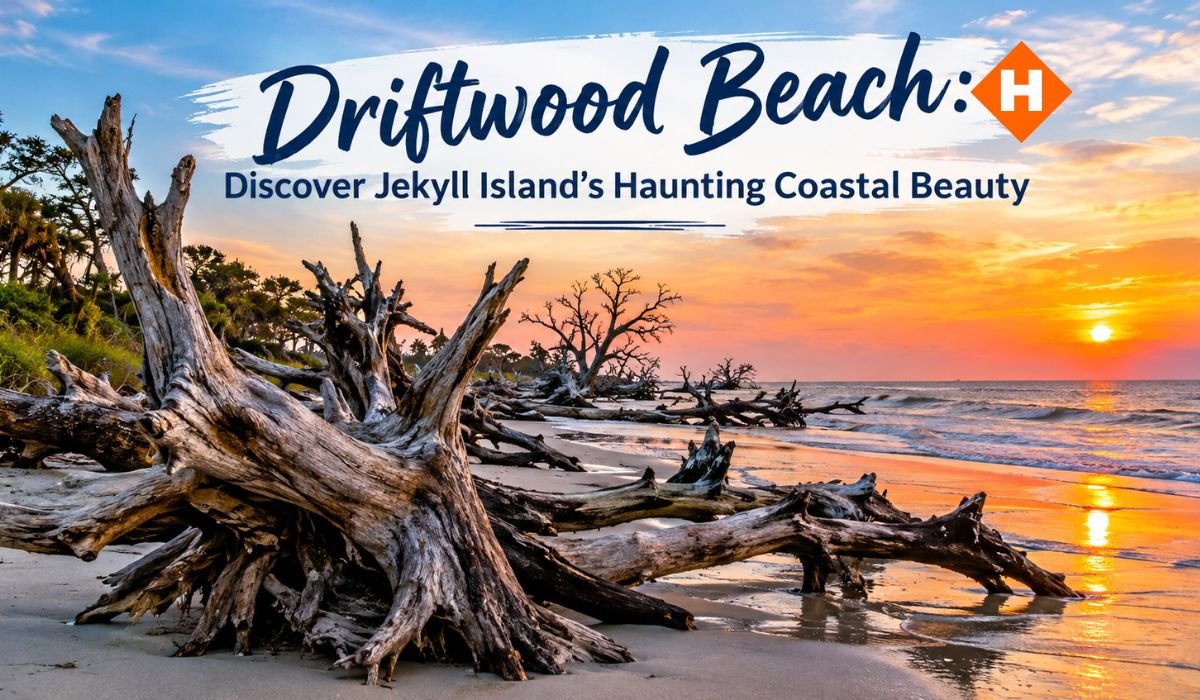
Driftwood Beach Is One Of The Most Unusual And Memorable Places To Visit On Jekyll Island, Georgia. Rather Than The Typical Scene Of Open Sand, Beach Chairs, And Clear Blue Water, Visitors Find A Shoreline Scattered With Huge Weathered Tree Trunks, Twisted Branches, And Exposed Root Systems. The Trees Have Been Bleached And Shaped By Years Of Exposure To The Coastal Elements, Giving The Beach An Almost Otherworldly Appearance.
For Some Visitors, The Landscape Looks Like A Natural Sculpture Garden. For Others, It Resembles The Remains Of A Forest That The Ocean Has Slowly Claimed. Both Impressions Make Sense. The Beach’s Famous Trees Are Closely Connected To The Changing Shoreline Of Jekyll Island And The Effects Of Coastal Erosion.
These Aren’t Simply Random Pieces Of Wood Carried In By The Atlantic. Many Are Large Trees Or Portions Of Trees That Once Grew Along The island’s maritime forest. As Erosion Changed The Shoreline, Some Trees Lost The Sand And Soil Supporting Their Roots And Eventually Fell. Afterward, Sun, Wind, Salt, Rain, And Time Continued To Weather The Wood.
That Natural History Is A Big Part Of What Makes Driftwood Beach So Interesting. It’s A Beautiful Place To Photograph, But It’s Also An Opportunity To See Coastal Change Up Close. The Jekyll Island Authority Highlights The Area For Its Photography Opportunities And Refers To The Weathered Trees As “Driftwood Monuments.”
Quick Bio Information
| Fact | Details |
|---|---|
| Name | Driftwood Beach |
| Location | Northern Jekyll Island, Georgia |
| Coast | Atlantic Coast |
| Setting | Georgia Barrier Island |
| Main Feature | Weathered Fallen Trees |
| Landscape | Erosion-Shaped Shoreline |
| Known For | Photography And Natural Scenery |
| Beach Character | Natural, Quiet, And Dramatic |
| Water | Atlantic Ocean |
| Nearby Road | Beachview Drive |
| Parking | Public Parking Near Beach Access |
| Popular Photo Time | Sunrise And Early Morning |
| Activities | Walking, Photography, Sightseeing, And Relaxing |
| Wildlife | Shorebirds And Other Coastal Species |
| Major Natural Process | Coastal Erosion |
| Island Shoreline | About 10 Miles |
| Pet Policy | Pets Must Be Leashed And Under Immediate Control |
| Conservation Focus | Coastal Habitats And Wildlife |
Where Is Driftwood Beach Located?
Driftwood Beach Sits On The Northern End Of Jekyll Island, Part Of Georgia’s Golden Isles Along The Atlantic Coast. Its Location Is Easy To Recognize Once You Reach The Shore Because Of The Large Collection Of Fallen And Weathered Trees Spread Across The Beach.
For People Driving To The Area, Public Parking Is Available Near The Beach Access Off Beachview Drive. Jekyll Island Is A State Park, So Visitors Arriving By Vehicle Need To Pay The Applicable Island Entry And Parking Fee. The Standard Daily Rate Is Currently $10 For A Regular Vehicle, Although Different Rates Can Apply To Oversized Vehicles And Certain Special Events.
The Beach Is Also Just One Part Of The Larger Jekyll Island Experience. The Island Has Roughly 10 Miles Of Shoreline, And Its Beaches Don’t All Look Or Feel The Same. Some Are Better Suited To Traditional Beach Recreation, While Driftwood Beach Is Particularly Noted For Its Natural Scenery And Photography Opportunities.
Why Is Driftwood Beach Famous?
The Reason Driftwood Beach Has Become So Well Known Is Hard To Miss. Large, Weathered Trees Stretch Across The Sand, Creating A Shoreline Unlike Most Conventional Georgia Beaches.
Some Trunks Lie Completely Flat, While Others Remain Partly Upright. Their Branches Twist In Different Directions, And Their Roots Spread Across The Sand In Intricate Patterns. Together, They Create Natural Shapes And Frames That Draw The Eye Toward The Atlantic.
The Beach Doesn’t Have One Fixed Appearance, Either. Its Character Changes With The Weather, Tide, And Time Of Day. In Soft Morning Light, The Trees Can Take On A Silvery Appearance. Stronger Sunlight Later In The Day Brings Out The Texture Of The Wood, While Overcast Skies Can Give The Landscape A Much Moodier Feel.
That Changing scenery has helped make Driftwood Beach a favorite among photographers. The Jekyll Island Authority specifically recognizes the beach for its photography opportunities and its distinctive “Driftwood Monuments.”
How Did The Driftwood Trees Get There?
The Story Of The Trees Begins With Coastal Erosion. Jekyll Island Is A Barrier Island, And Barrier Islands Are Constantly Being Reshaped By Natural Forces. Waves, Tides, Wind, Storms, And The Movement Of Sand All Play A Role In Changing Their Shorelines.
At Driftwood Beach, Erosion Has Helped Expose Parts Of The Maritime Forest That Once Stood Farther From The Water. As Sand And Soil Were Removed From Around Tree Roots, Some Trees Eventually Lost Their Support And Fell.
It’s Important To Understand That Erosion Doesn’t Affect Every Part Of Jekyll Island In Exactly The Same Way. According To The Jekyll Island Authority, The Island Experiences Both Erosion And Accretion. In Some Areas, Land Is Lost, While In Others, Sediment Builds Up And Creates New Ground.
That Ongoing Movement Helps Explain Why Driftwood Beach Looks The Way It Does. The Fallen Trees Are Not An Isolated Oddity; they’re part of a much larger coastal process that’s been shaping the island for generations.
Is Driftwood Beach Really Covered In Driftwood?
The Name Can Be A Little Misleading. Although The Trees Look Like Giant Pieces Of Driftwood, Much Of The Material Visitors See At Driftwood Beach Is Actually The Remains Of Trees That Once Grew Along The Island’s Shoreline.
The Jekyll Island Authority Has Explained That The Famous Landscape Is Closely Connected To Erosion And The Exposure Of The Former Maritime Forest. Large Trunks, Branches, And Root Systems Can Still Be Seen In Place, Sometimes Looking Remarkably Intact.
That Makes The Beach Different From A Shoreline Covered With Small Pieces Of Wood That Have Traveled Through The Ocean. These Trees Give Visitors A Glimpse Of What The Coastal Landscape Looked Like Before The Shoreline Changed.
Even The Location Of The Driftwood Landscape Hasn’t Remained Fixed. Historical information from Jekyll Island indicates that the area associated with the famous driftwood landscape has shifted over time. The changing location is another reminder that barrier islands aren’t stationary pieces of land.
What Makes The Driftwood Beach Trees So Beautiful?
The Beauty Of The Trees Comes From Their Natural Imperfections. Their Trunks Are Weathered, Their Branches Are Irregular, And Their Roots Often Spread Across The Sand In Dramatic Patterns.
Years Of Exposure Have Changed Their Appearance. Some Pieces Of Wood Look Pale And Silver, While Others Have Darker Surfaces Marked By Texture And Decay. In Some Places, Exposed Roots Reveal Just How Deeply The Trees Were Once Anchored In The Coastal Soil.
The Trees Also Stand Out Because Of Their Contrast With The Rest Of The Environment. Pale Wood Against Sand, Green Vegetation, Ocean Water, And An Open Sky Creates A Scene That’s Visually Strong Without Needing Any Human Decoration.
There’s something especially compelling about that. The beach doesn’t look dramatic because someone designed it that way. Its appearance is the result of natural forces working slowly over time.
What Can You Do At Driftwood Beach?
Driftwood Beach Is Best Enjoyed At A Relaxed Pace. Walking Along The Shore Gives Visitors Time To Look Closely At The Fallen Trees, Exposed Roots, Shells, Sand, And Changing Ocean Views.
Photography Is Naturally One Of The Most Popular Activities. The Trees Offer Plenty Of Interesting Subjects, From Large Root Systems To Isolated Trunks Standing Against The Horizon. Their shapes can also be used to create natural frames and leading lines in photographs.
Visitors Don’t Have To Arrive With A Camera, Though. Sitting On The Sand, Watching The Water, Exploring Around The Trees, Or Simply Enjoying The Quiet Atmosphere Can Be Just As Rewarding.
Those Who Want To See More Of Jekyll Island Can Combine Their Visit With Other Attractions Around The Island. Jekyll Has Bicycle Paths, Historic Areas, Maritime Forest, Wildlife Habitats, And Additional Beaches, So Driftwood Beach Can Easily Become Part Of A Longer Island Outing.
Is Driftwood Beach Good For Photography?
For Anyone Who Enjoys Landscape Photography, Driftwood Beach Offers An Unusually Strong Setting. The Weathered Trees Provide Texture, Shape, Depth, And Natural Leading Lines, While The Atlantic Gives The Background A Wide, Open Feel.
Sunrise Is Particularly Popular. Low Morning Light Falls Across The Trunks And Root Systems, often bringing out details that can be harder to notice under harsher midday sunlight. Long shadows across the sand can also add depth to a composition.
That Doesn’t Mean Sunrise Is The Only Time Worth Bringing A Camera. Midday Light Can Reveal The Texture Of The Wood, And Cloudy Weather Can Create Softer, More Muted Images. Changes In The Tide Can Alter The Scene, Too, with water surrounding trees that may sit on exposed sand at another time.
Rather Than Looking For A Single Perfect Composition, It’s Worth Walking Around And Seeing What The Landscape Offers. A Lone Tree Against The Horizon, A Pattern Of Roots In The Sand, Or A Reflection In Wet Sand Can Sometimes Make A More Interesting Photograph Than A Wide Shot Of The Entire Beach.
What Does Driftwood Beach Look Like At Sunrise?
Sunrise Gives Driftwood Beach A Particularly Atmospheric Feel. As The Sun Appears Over The Atlantic, Light Gradually Reaches The Sand And The Weathered Trees, creating a changing mixture of warm sky and cool gray wood.
The Low Angle Of Morning Light Helps Bring Out The Texture Of The Trunks And Root Systems. Shadows Stretch Across The Beach, While The Ocean Horizon Provides A Simple Backdrop For The More Complicated Shapes Of The Trees.
There’s another benefit to arriving early: the atmosphere can be noticeably quieter. Visitors who want a peaceful walk or an uninterrupted photography session may find the early morning especially appealing.
Of course, every sunrise is different. Clouds, season, tide, wind, and weather can all affect what the beach looks like. That’s part of the charm. The same stretch of shoreline can feel completely different from one visit to the next.
What Is The Water Like At Driftwood Beach?
Driftwood Beach Faces The Atlantic Ocean, So Visitors Shouldn’t Expect The Bright, Crystal-Clear Water Associated With Some Tropical Beaches Or Certain Parts Of Florida’s Gulf Coast.
An Earlier Description Of The Beach Characterized The Water As Shallow And Relatively Calm, Making It More Suitable For Wading Than For Surfing. Still, ocean conditions can change. Wind, waves, tides, storms, and weather all influence conditions along the shore.
For that reason, a general description of the water shouldn’t be treated as a guarantee that conditions will be safe on a particular day. Anyone entering the ocean should pay attention to current conditions and local safety information.
The Water Also Isn’t The Main Attraction Here. Driftwood Beach Is Primarily About Its Landscape. Visitors Looking For A More Traditional Swimming Beach With Developed Facilities Can Consider Other Areas Of Jekyll Island.
Great Dunes Beach Park, For Example, Provides Amenities Such As Restrooms, Showers, Picnic Facilities, And Beach Access. That Makes It A Different Kind Of Beach Experience From The More Natural Setting At Driftwood Beach.
Wildlife You May See At Driftwood Beach
Driftwood Beach Forms Part Of Jekyll Island’s Larger Coastal Ecosystem, So The Landscape Is Home To More Than Just Fallen Trees. Shorebirds Use The Beach And Nearby Habitats For Feeding And Resting, and visitors may spot birds such as plovers and other shore-feeding species.
Small Coastal Creatures Also Live Around Protected Areas And Natural Debris. Earlier descriptions of Driftwood Beach mention sea roaches in rocky or sheltered portions of the beach. They may not be the most appealing creatures to encounter, but they’re part of the local ecosystem.
Jekyll Island Is Also An Important Habitat For Loggerhead Sea Turtles. That makes responsible behavior especially important when exploring the shoreline.
Visitors should never feed, approach, harass, or remove wildlife. Turtle nests and turtles should be left undisturbed, and people should follow posted island guidance when exploring the beach.
These Rules Aren’t Just About Visitor Safety. They Help Protect The Natural Environment That Makes Jekyll Island And Driftwood Beach Worth Visiting In The First Place.
Driftwood Beach And Coastal Erosion
Coastal Erosion Is Perhaps The Most Important Part Of The Story Behind Driftwood Beach. Without The Long-Term Movement Of The Shoreline, The Landscape Visitors See Today Would Look Very Different.
Jekyll Island Is A Dynamic Barrier Island. Its Shoreline Responds To Wind, Waves, Tides, Storms, And Sediment Movement. The Jekyll Island Authority Explains That Both Erosion And Accretion Occur Around The Island. One Area Can Lose Sediment While Another Gains It.
This Is Why It’s Too Simple To Say That The Entire Island Is Merely “Washing Away.” Coastal Change Is More Complicated. Sand Is Constantly Moving, And Different Sections Of A Barrier Island Can Behave Differently.
At Driftwood Beach, Erosion Has Exposed Trees That Once Stood Within Or Near The maritime forest. Their roots were eventually exposed, and some trees toppled onto the shoreline. Over time, the elements weathered the wood and produced the pale, sculptural forms that are now so recognizable.
The Beach’s History Also Shows That This Process Is Ongoing. Information from the Jekyll Island Authority indicates that the famous driftwood landscape has shifted considerably over time. What visitors see today is therefore a snapshot of a coastline that continues to evolve.
Is Driftwood Beach Good For Swimming?
Swimming Isn’t The Main Reason People Come To Driftwood Beach. Its Greatest Appeal Is The Combination Of Weathered Trees, Natural Scenery, Photography, And The Opportunity To Experience A Changing Barrier-Island Shoreline.
The Water Can Be Shallow, And Wading May Be Possible When Conditions Are Appropriate. Even So, visitors should consider the tide, weather, waves, and current safety information before going into the ocean.
The Fallen Trees Also Mean That This Isn’t A Wide, Open Swimming Area Free Of Natural Obstacles. Exploring The Shore Requires Some Awareness Of Where You Step And How You Move Around The Root Systems And Trunks.
For Visitors Whose Main Goal Is Swimming, Picnicking, Showers, Or Family Beach Amenities, Another Area Of Jekyll Island May Be More Convenient. Driftwood Beach Is Better Suited To Those Who Want To Explore A Distinctive Coastal Landscape.
What Makes Driftwood Beach Different From Other Georgia Beaches?
Georgia’s Coast Is Filled With Barrier Islands, Salt Marshes, Maritime Forests, Tidal Creeks, Dunes, And Long Atlantic Beaches. Driftwood Beach Stands Out Because Its History Is So Visible.
At Many Beaches, It’s Easy To Look At The Sand And Water Without Thinking About How The Shoreline Got There. At Driftwood Beach, the fallen trees make that history impossible to miss. They show where vegetation once grew and how the shoreline has changed around it.
This Gives The Beach A Strong Sense Of Place. The Landscape Can Feel Wild And Remote, Even Though It’s A Public Destination On A Developed Island.
The Experience Is Also Different From Other Jekyll Island Beaches. The Island’s Official Information Highlights Driftwood Beach For Photography, While Other Beach Areas Provide Amenities And Settings Better Suited To Traditional Beach Recreation.
For Travelers Interested In Nature, Photography, Coastal Geography, Or Simply Seeing Something Unexpected, Driftwood Beach Offers A Different Side Of Georgia’s Coast.
When Is The Best Time To Visit Driftwood Beach?
Sunrise Is One Of The Most Popular Times To Visit Driftwood Beach, Particularly For Photographers. The Early Light Can Create Long Shadows, Softer Contrast, And A Warm Glow Across The Weathered Trees.
Early Morning May Also Appeal To Visitors Who Prefer A Quieter Experience. The Beach’s Natural Setting can feel especially peaceful before the day becomes busier.
That Said, There’s No Need To Limit A Visit To Sunrise. Afternoon Light Can Reveal Details In The Wood That Aren’t As Noticeable Earlier In The Day, while changing clouds can dramatically alter the mood of the shoreline.
Tide Is Worth Considering As Well. The Amount Of Sand And Water Around The Trees Changes With The Tide, so the same location can look noticeably different within a few hours.
Ultimately, The Best Time Depends On What You Want From Your Visit. Sunrise Is An Excellent Choice For Photography And A Calm Atmosphere, While Daytime Offers More Flexibility For Travelers Exploring The Rest Of Jekyll Island.
What Should You Expect When Visiting Driftwood Beach?
Visitors Should Approach Driftwood Beach As A Natural Coastal Environment, Not A Carefully Landscaped Resort. Fallen Trees, Exposed Roots, Sand, Changing Tides, And Uneven Walking Areas Are All Part Of The Setting.
Public Parking Is Available Near The Beach Access Off Beachview Drive. Drivers Should Remember That Jekyll Island Charges A Vehicle Entry Fee, With The Standard Daily Rate Currently Listed At $10 For Regular Vehicles. Special Events And Oversized Vehicles May Have Different Rates.
It’s Also Important To Follow The Island’s Current Beach Rules. Motorized Vehicles Aren’t Allowed On The Beach, And Rules Also Prohibit Fires, Fireworks, Overnight Camping, Glass Containers, And Certain Forms Of Metal Or Mineral Detecting. Visitors Are Expected To Leave Wildlife And Turtle Nests Undisturbed.
Dogs Are Allowed At Driftwood Beach, But They Must Remain Under Immediate Control And Be Kept On A Leash No Longer Than 16 Feet.
Accessibility Is Another Consideration. Jekyll Island Offers Accessible Beach Access At Several Locations And Provides Beach-Going Wheelchairs On A First-Come, First-Served Basis. However, Driftwood Beach Isn’t Among The Four Beach Access Locations Specifically Listed By The Island For Accessible Beach Access. Travelers Who Need Accessible Facilities Should Take That Difference Into Account When Planning Their Visit.
Why Driftwood Beach Is More Than A Beautiful Photo Spot
It’s Easy To Understand Why People Photograph Driftwood Beach. The Trees Are Visually Striking, And The Combination Of Gray Wood, Sand, And Ocean Creates Images That Look Almost Unreal.
But The Landscape Has A Story That Makes It More Meaningful Than A Simple Photo Backdrop.
The Trees Are Evidence Of Coastal Change. They Show How A Forest Can Be Exposed As A Shoreline Moves And How Natural Forces Can Reshape A Familiar Landscape Over Time.
Jekyll Island’s Human History Is Long And Complex, Too. Native American Communities Used The Island Long Before European Settlement, and the island later developed through colonial settlement, plantation history, and the Jekyll Island Club era. Georgia Purchased The Island In 1947, And Jekyll Island Opened As A State Park In 1948.
Driftwood Beach Adds Another Chapter To That Story. While Historic Buildings And Cultural Sites Tell Visitors About The People Who Lived And Worked On Jekyll Island, The Driftwood Landscape Tells A Story About The Island Itself.
The Trees Remind Us That A Coastline Is Never Truly Finished. Sand Moves. Forests Retreat. New Sediment Accumulates. Shorelines Shift. What Looks Permanent From A Single Visit May Be Completely Different Decades Later.
That’s What Makes Driftwood Beach So Valuable. It Lets Visitors See A Barrier Island In Motion, Not Just Read About Coastal Change In A Guidebook.
Final Thoughts
Driftwood Beach Is Much More Than A Scenic Stretch Of Sand On The Georgia Coast. Its Famous Weathered Trees Offer A Visible Record Of Jekyll Island’s Changing Shoreline And The Natural Forces That Have Shaped The Island Over Time.
The Trunks And Exposed Roots Reveal What Happens When Coastal Erosion Reaches A Maritime Forest. After The Trees Fall, Sun, Wind, Salt, Rain, And Time Continue To Change Them, Gradually Creating The Sculptural Forms That Have Become Synonymous With Driftwood Beach.
That Combination Of Beauty And Natural History Is What Makes The Beach So Memorable. You Can Visit For The Photographs And Leave With A Better Understanding Of Barrier Islands And Coastal Change.
For Travelers Exploring Jekyll Island In 2026, Driftwood Beach Offers An Experience That’s Difficult To Replicate. Arrive At Sunrise With A Camera, Walk Along The Shore In The Afternoon, Watch Coastal Birds, Or Simply Sit Among The Weathered Trees And Listen To The Atlantic.
Whatever Brings You There, Take A Moment To Notice What The Landscape Is Saying. The Beach Is Not A Static Picture. It’s A Coastline In Motion, And The Trees Are The Most Visible Evidence Of That Story.
Frequently Asked Questions About Driftwood Beach
Is Driftwood Beach On Jekyll Island?
Yes. Driftwood Beach Is Located On The Northern End Of Jekyll Island, Georgia, Along The Atlantic Coast. It’s One Of The Island’s Best-Known Natural Attractions And Is Particularly Recognized For Its Weathered Trees And Photography Opportunities.
Why Are There So Many Dead Trees At Driftwood Beach?
The Trees Are Closely Connected To Coastal Erosion. As The Shoreline Changes, Sand And Soil Around Trees Can Be Removed. That Exposes Their Roots And Can Eventually Cause Trees To Fall. Once On The Beach, The Wood Is Further Weathered By Sun, Wind, Salt, Rain, And Other Coastal Elements.
Is Driftwood Beach Actually Made Of Driftwood?
Not In The Traditional Sense. Many Of The Large Trees Are Remains Of Trees That Once Grew Along The Shoreline Or Within The Maritime Forest. Their Presence Is Closely Connected To The Long-Term Movement And Erosion Of Jekyll Island’s Coast.
Is Driftwood Beach Good For Photography?
Yes. The Fallen Trees, Exposed Roots, Sand, Ocean, And Changing Natural Light Provide Numerous Photography Opportunities. Sunrise Is Especially Popular Because The Low Morning Light Can Highlight The Texture And Shapes Of The Weathered Wood.
Can You Swim At Driftwood Beach?
Wading May Be Possible When Ocean Conditions Are Suitable, But Swimming Isn’t The Main Attraction. Conditions Can Change With Wind, Waves, Weather, And Tides. Anyone Entering The Water Should Pay Attention To Current Conditions And Follow Local Safety Guidance.
What Wildlife Can You See At Driftwood Beach?
Visitors May See Shorebirds, Including Plovers And Other Coastal Birds, Along With Smaller Creatures Living Around Protected Areas Of The Shore. Jekyll Island Is Also Important Habitat For Loggerhead Sea Turtles. Wildlife Should Be Observed From A Respectful Distance And Never Fed, Approached, Harassed, Or Removed.
Is There Parking At Driftwood Beach?
Yes. Public Parking Is Available Near The Driftwood Beach Access Off Beachview Drive. Drivers Should Also Be Aware That Jekyll Island Charges A Vehicle Entry Fee. The Standard Daily Rate For A Regular Vehicle Is Currently $10, Although Some Vehicles And Special Events May Have Different Rates.
What Is The Best Time To Visit Driftwood Beach?
Sunrise Is An Excellent Choice For Photography And A Quieter Experience. However, Other Times Can Be Enjoyable As Well. The Appearance Of Driftwood Beach Changes With The Tide, Weather, Clouds, And Sunlight, so visitors may find something different each time they explore the shoreline.
Learn more and explore exciting content on: Who Is Nicolo Robert Tucci? Inside the Life of Stanley Tucci’s Son














Leave a Reply